Classes were canceled today and as I've explained before, we cook the student meals, so no class=no meal for students. But at 6 a.m. three incredible chefs showed up in one of our kitchens and started cooking breakfast with student volunteers. The chefs and students served breakfast and linner (lunch+dinner)today and it was awesome to witness not only a commitment to our community here but also to our craft because these people worked hard when it wasn't a requirement.
As a student at the Culinary Institute of America, I want to share what this crazy, beautiful life is like from the inside.
Wednesday, January 12, 2011
commitment
Classes were canceled today and as I've explained before, we cook the student meals, so no class=no meal for students. But at 6 a.m. three incredible chefs showed up in one of our kitchens and started cooking breakfast with student volunteers. The chefs and students served breakfast and linner (lunch+dinner)today and it was awesome to witness not only a commitment to our community here but also to our craft because these people worked hard when it wasn't a requirement.
Tuesday, January 11, 2011
you know you're a college student when---
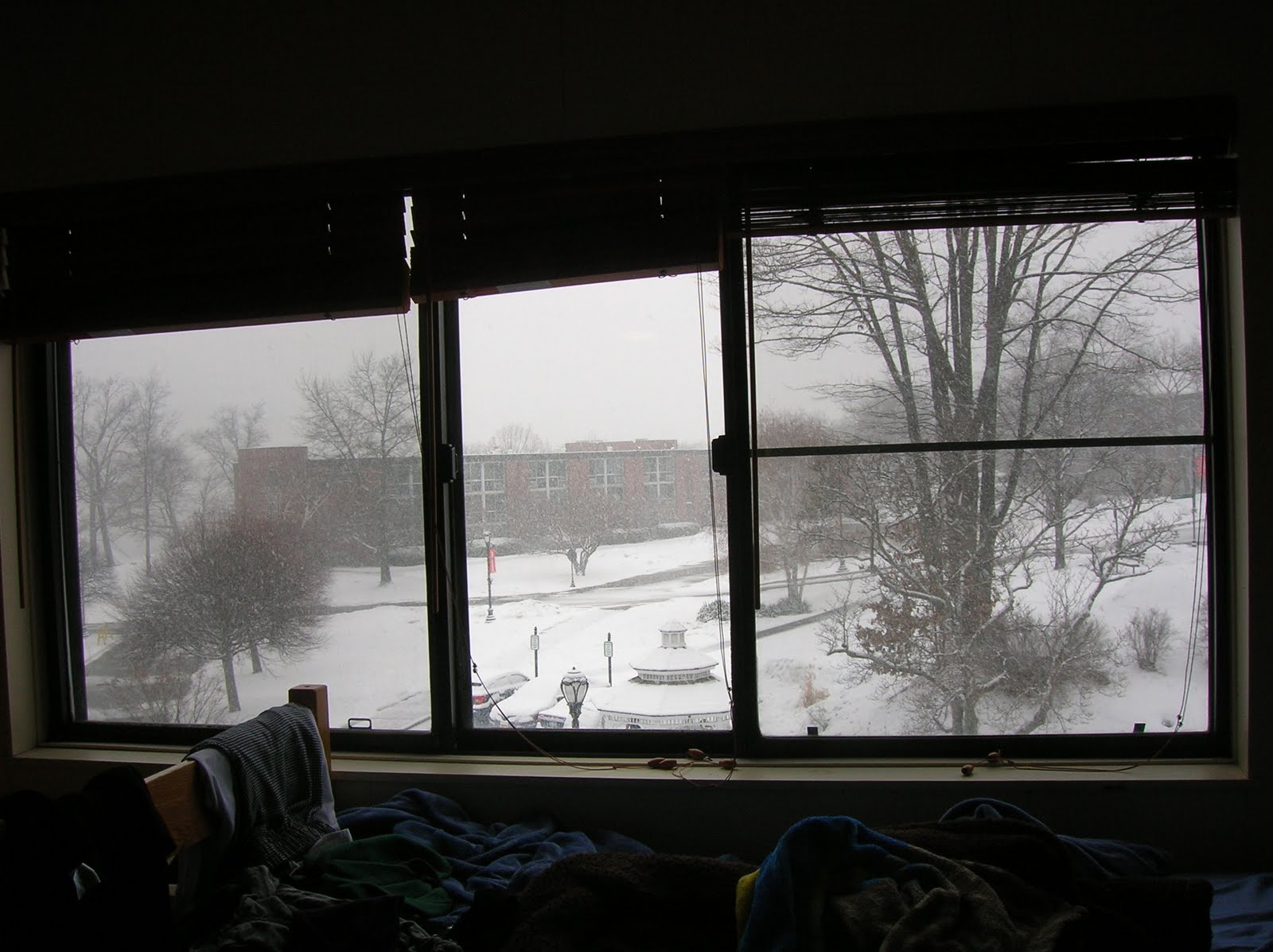
1. You go out to play in the snow at 2:15 a.m. because you can, no parents to tell you its too late, no class that you should sleep for, and because there are street lights everywhere so its not sketchy
2. You go sledding with no sort of sled--there's no garage to grab a sled from and you can't steal a cafeteria tray because it won't fit in your knife kit
3. You drink hot chocolate out of a mug with your college logo on it
4. You hang your snow clothes all over your shower because there's no where else to put them
5. You wear sweatpants in the snow because your real snow pants are at home
Monday, January 10, 2011
float fry
Fish and chips--crunchy, golden coating over white flaky fish and cripsy, salty french fries. I fried about 20 lbs of Haddock today using the technique known as float fry.
A piece of battered fish will sink when dropped in oil. Dropping to the bottom of the oil will cause the fish to cook to the surface of whatever vessel it is being fried in, and make it impossible to get the fish out in one piece, unharmed and unblemished. So you swish the tip of the battered fish back and forth lightly in the oil, and then drop the whole piece in. This will keep the fish from sinking by cooking part of the batter and keeping the piece of fish afloat.
Friday, January 7, 2011
seasonality
In the dead of winter here in New York (complete with 5 inches of snow today), I ate raspberries for breakfast this morning. They were pretty darn good. Its kind of cool, this idea of get whatever you want, when you want, wherever you want it. Eating sweet, bright raspberries reminded me of the warmth of the sun and summer break.
What's not cool is how much fuel those raspberries needed to travel to me in New York. While they were good, I would not say they are worth the 3,000 miles they traveled from California and the ozone depleting gases that were emitted in order for me to eat them in my fruit salad.
I also ate sliced tomato on my portabello sandwich at dinner tonight. Anyone who's eaten a tomato still warm from the garden, knows they are not winter fruit but the epitome of summer.
So while I ate very un-seasonal produce today...
What foods did you eat that are directly related to seasonality and/or are responsible choices for our environment?
What's not cool is how much fuel those raspberries needed to travel to me in New York. While they were good, I would not say they are worth the 3,000 miles they traveled from California and the ozone depleting gases that were emitted in order for me to eat them in my fruit salad.
I also ate sliced tomato on my portabello sandwich at dinner tonight. Anyone who's eaten a tomato still warm from the garden, knows they are not winter fruit but the epitome of summer.
So while I ate very un-seasonal produce today...
What foods did you eat that are directly related to seasonality and/or are responsible choices for our environment?
Thursday, January 6, 2011
Madeira Marinated Mushrooms
Portabellos marinated in Madeira wine, olive oil, garlic, dried oregano, salt and pepper are delicious grilled and topped with chopped, grilled onion and melted Muenster cheese.
Wednesday, January 5, 2011
Penne Pomodoro with Arugula and Garlic Bread
The penne pasta was cooked off and laid out on large trays to cool. After it cooled, it was loaded into large plastic containers and kept until dinner time. When we were ready to make an order of pasta, we could drop a handful of pasta into a fryer basket, then add a handful of arugula and dunk the basket into the large bath tub-esque kettle. Once the arugula was wilted and the pasta was hot, we tossed them with hot tomato sauce and seasoned with salt and pepper. The tomato pasta was topped with creamy little cubes of fresh mozzarella and shredded parmesan then a garlic bread was placed in the pasta to stand straight up.
The garlic bread was made by slicing a crusty baguette into thin slices. Then garlic and olive oil were heated in a sauce pan over low heat for about 15 min, until the oil released a wonderful smell but the garlic was not browned at all. Season the garlic oil mixture with salt, then spread on the bread and arrange flat on a sheet tray. Bake the garlic bread at 350° F for about 10-15 minutes, until golden and crispy.
Tuesday, January 4, 2011
Quantity Food Production/K-16/Jones Dairy Kitchen
It's another Day 1 and I'm not going to lie, I'm starting to feel like the big kid on campus. I'm totally not at all but its cool seeing the kids with name tags walking around for their orientation, knowing that I've been here long enough to make it to K-16 (the kitchen number for the class Quantity Food Production).I'm only at the end of my second semester but there is a certain amount of awe and respect for the students in K-16. Up until this point, the kitchens that feed other students have done between 70-90 plates of food for lunch or dinner. As the name implies, Quantity Food Production is about producing food in large volumes. We make between 300-400 plates of food at each meal. Its really quite a cool thing because its so different than cooking one chicken breast at a time or boiling one box of pasta. We sold 16 lbs of pasta today and cooked them in an amount of boiling water equivalent to a small bath tub.
Subscribe to:
Posts (Atom)